A New Day at IPANM


information & issues

Welcome to IPANM’s Information & Issues webpage!

IPANM is not afraid to take strong stances on many current issues threatening our industry. We have to! Seemingly minor changes to regulations or rules can have a major impact on the financial solvency of our small oil & gas producers. While we will never compromise on our duties to protect human health, fresh water and the environment in our daily activities, we will fight unnecessary government overreach when new regulatory proposals are not based on sound science and do little to protect the environment.

Below, we’ve identified serious issues facing our producers. Please click on the corresponding button to learn more about each issue and IPANM’s stance on the issue. (Note: Some of this content may be restricted for members only. To access this exclusive content, please join our association!)

RECENT NEWS: All Issues
E&E News (Jan. 5, 2022) - One year after President Biden took office, federal agencies are facing pressure to carry
IPAA (Jan. 5, 2022) - Thanks to the shale revolution, the United States went from energy scarcity to energy dominance.
Forbes (Jan. 4, 2022) - Finally, the European Union has admitted the obvious: if decarbonization is the goal, natural gas
Texas Standard (January 3, 2022) - The Railroad Commission of Texas, the agency that regulates oil and gas production in
The Verge (Dec. 29, 2021) - This year, the clean energy sector finally started grappling in earnest with one of
Forbes (Dec. 23, 2021) - The energy revolution, accelerated by the pandemic, is changing the DNA of the oil and
Carlsbad Current Argus (December 21, 2021) - New federal environmental standards for vehicle fuels were adopted by the U.S. Environmental
S&P Global (Dec. 17, 2021) - A proposal to impose a fee on methane emissions has thus far survived lawmakers'
Carlsbad Current-Argus (Dec. 5, 2021) -  As global energy companies target the oil-rich Permian Basin in southeast New Mexico and
Albuquerque Business First (Dec. 3, 2021) -  New Mexico’s oil and gas industry has shown no signs of slowing down,

E&E News (Jan. 5, 2022) – One year after President Biden took office, federal agencies are facing pressure to carry out his administration’s energy and climate policies while navigating political calculations ahead of critical midterm elections.

The Department of Energy, the Department of the Interior and the Federal Energy Regulatory Commission are expected to implement new programs and policies included in the $1.2 trillion infrastructure bill signed into law last year as well as respond to executive orders aimed at accelerating the energy transition. With another major clean energy bill, the “Build Back Better Act,” facing an uncertain fate, the three agencies could play an outsize role this year when it comes to advancing the administration’s agenda.

“It’s no secret that the federal government has been unable to act on climate issues, or hardly at all, because of the makeup of Congress, so it’s really been left to the agencies to get work done,” said Christine Powell, deputy managing attorney of the Clean Energy Program at Earthjustice.

Even so, environmental groups and others have been frustrated by what they see as a slow pace of change at the agencies, due in part to vacant positions or legal setbacks to some of the White House’s more controversial plans. Still, observers expect a flurry of activity in 2022 across energy agencies that could be pivotal in determining whether Biden’s energy agenda — and planned emissions cuts — comes to fruition.

DOE, for example, has control over tens of billions in infrastructure funds, but it will have to fill critical leadership vacancies, create major new offices and lay out plans to incorporate environmental justice into its spending.

Interior, meanwhile, is planning to reform its oil and gas program and deploying renewable energy on public lands, efforts that could reset drilling practices — and kick up controversy.

Biden Set To Jam Through Oil & Gas Reforms in 2022


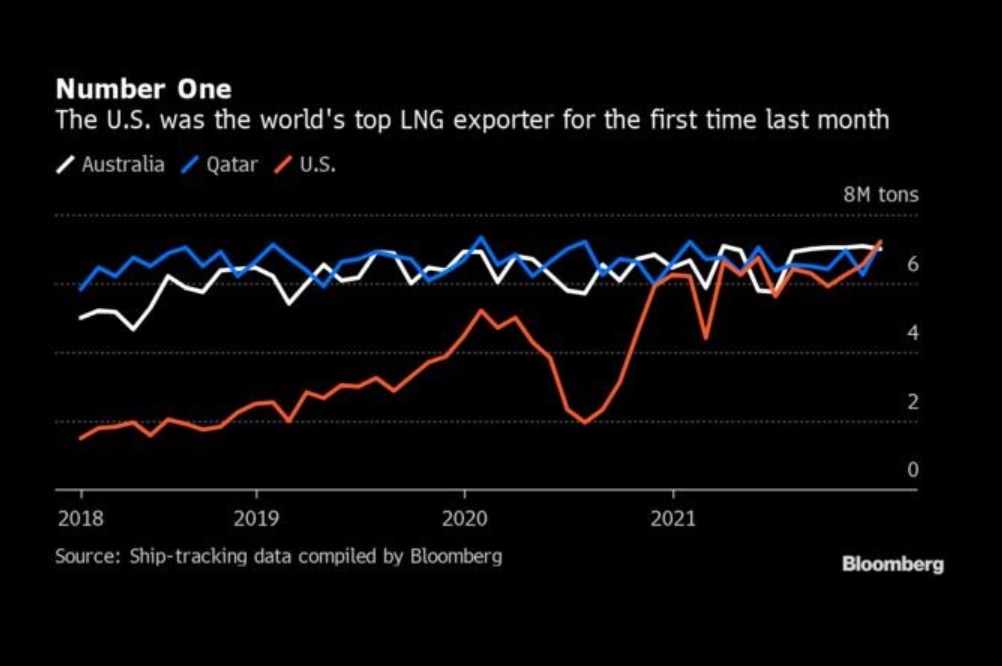
IPAA (Jan. 5, 2022) – Thanks to the shale revolution, the United States went from energy scarcity to energy dominance. An abundance of natural gas produced domestically allowed the country to begin exporting liquefied natural gas (LNG) from the lower-48 in 2016 and within a few short years become a global LNG exporter.

As 2021 came to close, data show that the United States just became the world’s biggest exporter of LNG for the first time in history after a rapid rise the past five years.

According to Bloomberg:  “Output from American facilities edged above Qatar in December due largely to a jump in exports from the Sabine Pass and Freeport facilities, according to ship-tracking data compiled by Bloomberg. Cheniere Energy Inc. said last month that it achieved its first cargo from a new production unit at its Sabine Pass plant.”

Energy In-Depth:  #1 in LNG Exports

Forbes (Jan. 4, 2022) – Finally, the European Union has admitted the obvious: if decarbonization is the goal, natural gas and nuclear must be a big part of the continent’s energy mix. On Saturday, the European Commission released a statement which said “there is a role for natural gas and nuclear as a means to facilitate the transition towards a predominantly renewable-based future.” The move means that gas and nuclear could be classified as “sustainable investments” under certain conditions.

This is good news and a tacit acknowledgment by European policymakers of the energy disaster that is now shaking the region. But it’s also far too late in coming. Indeed, my immediate response was to ask: what the heck took them so long? If decarbonization is the goal, then natural gas and nuclear are the obvious ways forward. I have been making that point for more than a decade.

EU Finally Admits Natural Gas Is Key To Decarbonization


The Verge (Dec. 29, 2021) – This year, the clean energy sector finally started grappling in earnest with one of its biggest challenges: how to get enough minerals to build solar panels, wind turbines, and big batteries for electric vehicles and energy storage. Figuring that out will be critical for escaping fossil-fueled ecological disaster. It’ll also be crucial for policymakers and industry to move forward without throwing certain communities under the bus in the transition to clean energy.

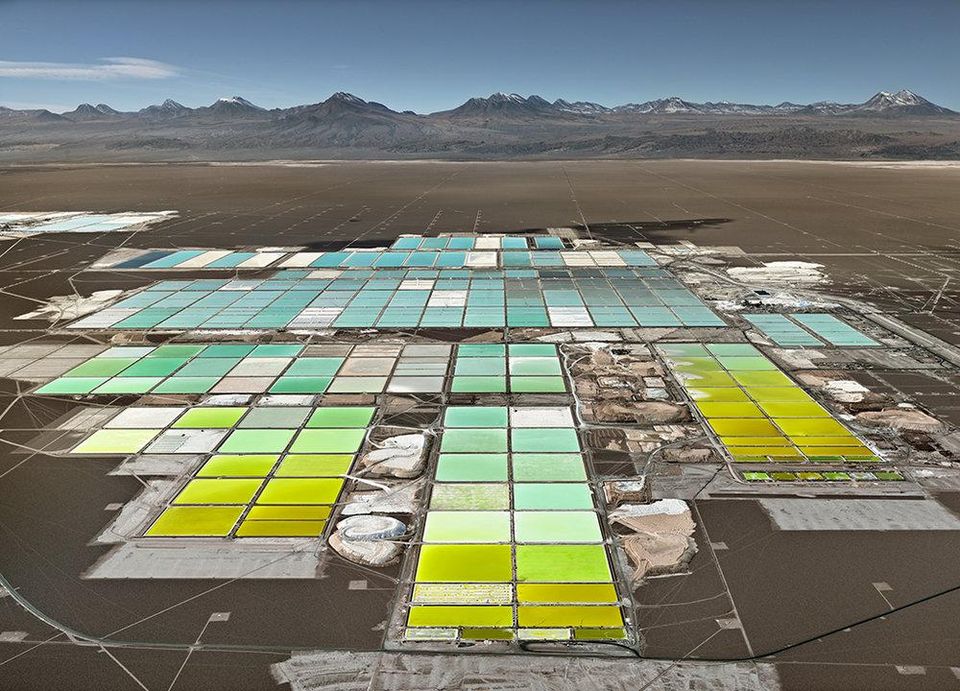
Instead of cutting through landscapes with oil and gas wells and pipelines, clean energy industries and their suppliers will open up the Earth to hunt for critical minerals like lithium, cobalt, and copper. Compared to a gas-fired power plant, an onshore wind turbine requires nine times more mineral resources, according to the International Energy Agency. Building an EV requires six times more minerals than a gas-powered car.

It’s about time to scrutinize what that hunger for minerals might cause, given the recent boom in pledges from countries and companies alike to reach net zero greenhouse gas emissions. Digging up the necessary minerals is already proving to be a minefield. Protests are popping up at proposed mines that no one really wants in their backyard. The conflicts that cropped up in 2021 are just the beginning of a challenging road ahead.

Clean Energy Creating Its Own Environmental Disaster

Forbes (Dec. 23, 2021) – The energy revolution, accelerated by the pandemic, is changing the DNA of the oil and gas industry at its core.

In a recent interview Glynn Williams, CEO of Silixa — a company that provides fiber optic-powered data solutions for the oil and gas sector (as well as several others) — reveals something of the emerging recognition that the oil and gas industry can make a strong contribution to the renewables sector:

“Many people and entire states depend on the prosperity and well-being of independent oil and gas companies (IOCs) and their suppliers, but they are still being cast unfairly as the villains of climate change and the renewables revolution. In reality, they have been fully engaged in the huge undertaking of transitioning their businesses and practices toward the renewables sector. So, far from being its enemies, they are increasingly its facilitators.”

How Oil Companies Are Facilitating The Renewable Revolution


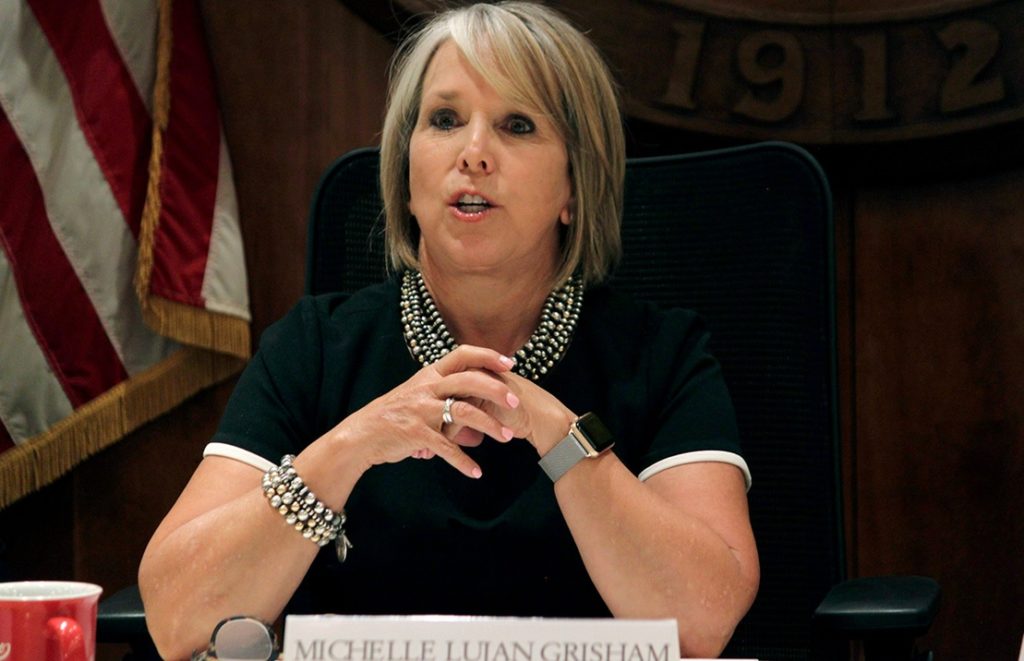
Carlsbad Current Argus (December 21, 2021) – New federal environmental standards for vehicle fuels were adopted by the U.S. Environmental Protection Agency and applauded by New Mexico Gov. Michelle Lujan Grisham as the state aims to enact its own similar requirements.  But the move was criticized by New Mexican Republicans who argued tougher regulations on manufacturers of cars and trucks could translate to higher costs for motorists.

NM Gov. Lujan Grisham Draws Criticism For Support Of Federal Greenhouse Gas Rules

S&P Global (Dec. 17, 2021) – A proposal to impose a fee on methane emissions has thus far survived lawmakers’ wrangling over the Build Back Better Act, as Democrats on the US Senate Environment and Public Works Committee included it in draft text of their portion of the party’s $1.75 trillion economic and climate plan unveiled Dec. 16.

The Build Back Better Act, passed by the US House of Representatives last month, is central to President Joe Biden’s goal of cutting the nation’s greenhouse gas emissions in half by 2030 measured against 2005 levels and zeroing out economywide emissions by midcentury.

Proposed Methane Fee Remains Intact in US Senate’s Draft Reconciliation Bill


Carlsbad Current-Argus (Dec. 5, 2021) –  As global energy companies target the oil-rich Permian Basin in southeast New Mexico and West Texas for future growth in their extraction operations, a recent study showed smaller, independent producers lead growth in the region over the last few years amid a boom in fossil fuel development.

While major energy producers like ExxonMobil and Chevron tend to long-term target extraction projects throughout the world, independents typically focus on driving faster profits from specific oil-producing areas like the Permian and smaller operations. Independents tend to only focus on one sector of the oil and gas supply chain, such as exploration and production, while the majors fully integrate to include production, processing, refining or distribution.

The Institute for Energy Economics and Financial Analysis reported in a recent study that independent oil and gas producers were leading the Permian in production even as larger companies seek to grow operations in the region.

Smaller, Independent Oil & Gas Producers Leading Permian Growth


Albuquerque Business First (Dec. 3, 2021) –  New Mexico’s oil and gas industry has shown no signs of slowing down, despite a pandemic that has affected nearly every industry.

A new report from the New Mexico Tax Research Institute and New Mexico Oil and Gas Association this past week revealed that the industry produced a record-breaking $5.3 billion in revenue in fiscal year 2021 for state and local governments — an increase of $557 million from the previous fiscal year.

“Historic revenue equals historic opportunity, and that is great news for teachers and students, critical first responders and health care workers, and each and every New Mexican across this state,” NMOGA president and CEO Leland Gould said in a prepared statement.

The record-breaking fiscal year in the oil and gas industry included an increase in general fund money for the state.

The $2.96 billion raised for the general fund in FY21, which is typically used to fund public institutions and other state projects, was $152 million higher than in FY20. The money from oil and gas makes up 35% of the general fund, according to the report.

New Mexico Breaks Record in Oil and Gas Revenue in FY21