You are currently in the IPANM Public Newsroom. MEMBERS: Please login below to access exclusive MEMBERS ONLY information, including
Regulatory updates The IPANM Event Calendar Information and Issues IPANM Policy Positions The IPANM Member Directory Legislative Bill Tracking with BillTrack 50 Access to your IPANM Memberzone information page
IPAA (Jan. 5, 2022) – Thanks to the shale revolution, the United States went from energy scarcity to energy dominance. An abundance of natural gas produced domestically allowed the country to begin exporting liquefied natural gas (LNG) from the lower-48 in 2016 and within a few short years become a global LNG exporter.
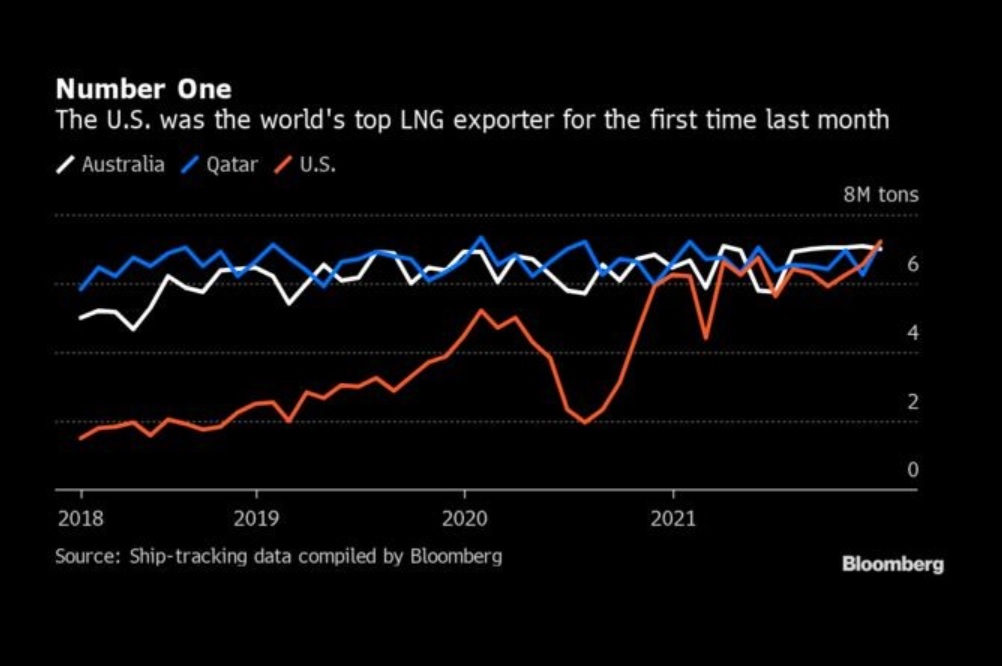
As 2021 came to close, data show that the United States just became the world’s biggest exporter of LNG for the first time in history after a rapid rise the past five years.
According to Bloomberg: “Output from American facilities edged above Qatar in December due largely to a jump in exports from the Sabine Pass and Freeport facilities, according to ship-tracking data compiled by Bloomberg. Cheniere Energy Inc. said last month that it achieved its first cargo from a new production unit at its Sabine Pass plant.”
Forbes (Jan. 4, 2022) – Finally, the European Union has admitted the obvious: if decarbonization is the goal, natural gas and nuclear must be a big part of the continent’s energy mix. On Saturday, the European Commission released a statement which said “there is a role for natural gas and nuclear as a means to facilitate the transition towards a predominantly renewable-based future.” The move means that gas and nuclear could be classified as “sustainable investments” under certain conditions.
This is good news and a tacit acknowledgment by European policymakers of the energy disaster that is now shaking the region. But it’s also far too late in coming. Indeed, my immediate response was to ask: what the heck took them so long? If decarbonization is the goal, then natural gas and nuclear are the obvious ways forward. I have been making that point for more than a decade.
Texas Standard (January 3, 2022) – The Railroad Commission of Texas, the agency that regulates oil and gas production in the state, suspended a kind of water disposal associated with hydraulic fracturing in the Midland area because of its links to earthquakes.
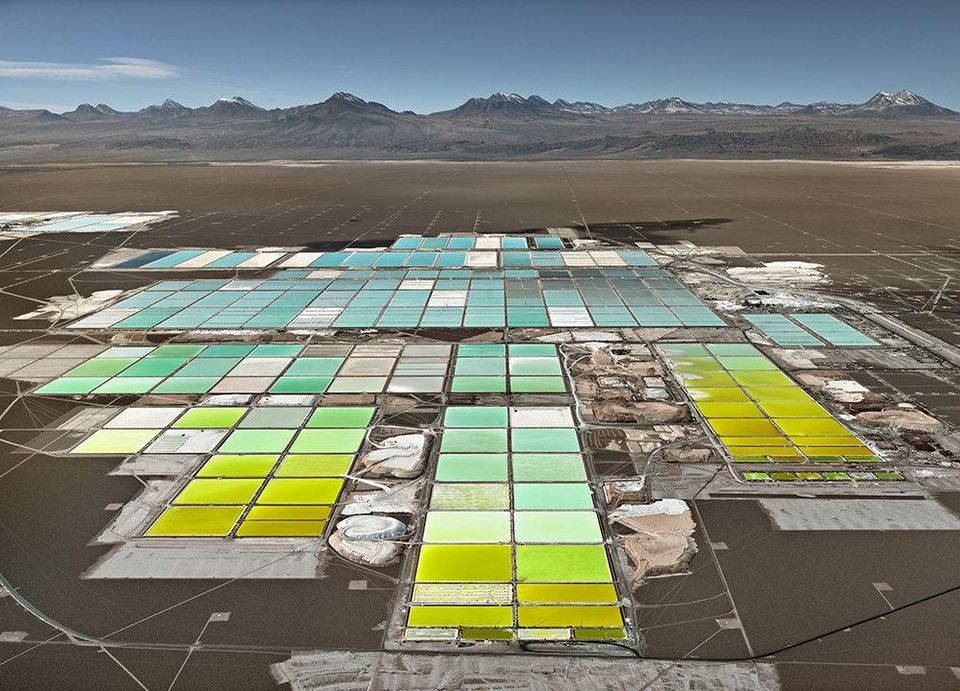
The Verge (Dec. 29, 2021) – This year, the clean energy sector finally started grappling in earnest with one of its biggest challenges: how to get enough minerals to build solar panels, wind turbines, and big batteries for electric vehicles and energy storage. Figuring that out will be critical for escaping fossil-fueled ecological disaster. It’ll also be crucial for policymakers and industry to move forward without throwing certain communities under the bus in the transition to clean energy.
Instead of cutting through landscapes with oil and gas wells and pipelines, clean energy industries and their suppliers will open up the Earth to hunt for critical minerals like lithium, cobalt, and copper. Compared to a gas-fired power plant, an onshore wind turbine requires nine times more mineral resources, according to the International Energy Agency. Building an EV requires six times more minerals than a gas-powered car.
It’s about time to scrutinize what that hunger for minerals might cause, given the recent boom in pledges from countries and companies alike to reach net zero greenhouse gas emissions. Digging up the necessary minerals is already proving to be a minefield. Protests are popping up at proposed mines that no one really wants in their backyard. The conflicts that cropped up in 2021 are just the beginning of a challenging road ahead.
Forbes (Dec. 23, 2021) – The energy revolution, accelerated by the pandemic, is changing the DNA of the oil and gas industry at its core.
In a recent interview Glynn Williams, CEO of Silixa — a company that provides fiber optic-powered data solutions for the oil and gas sector (as well as several others) — reveals something of the emerging recognition that the oil and gas industry can make a strong contribution to the renewables sector:
“Many people and entire states depend on the prosperity and well-being of independent oil and gas companies (IOCs) and their suppliers, but they are still being cast unfairly as the villains of climate change and the renewables revolution. In reality, they have been fully engaged in the huge undertaking of transitioning their businesses and practices toward the renewables sector. So, far from being its enemies, they are increasingly its facilitators.”
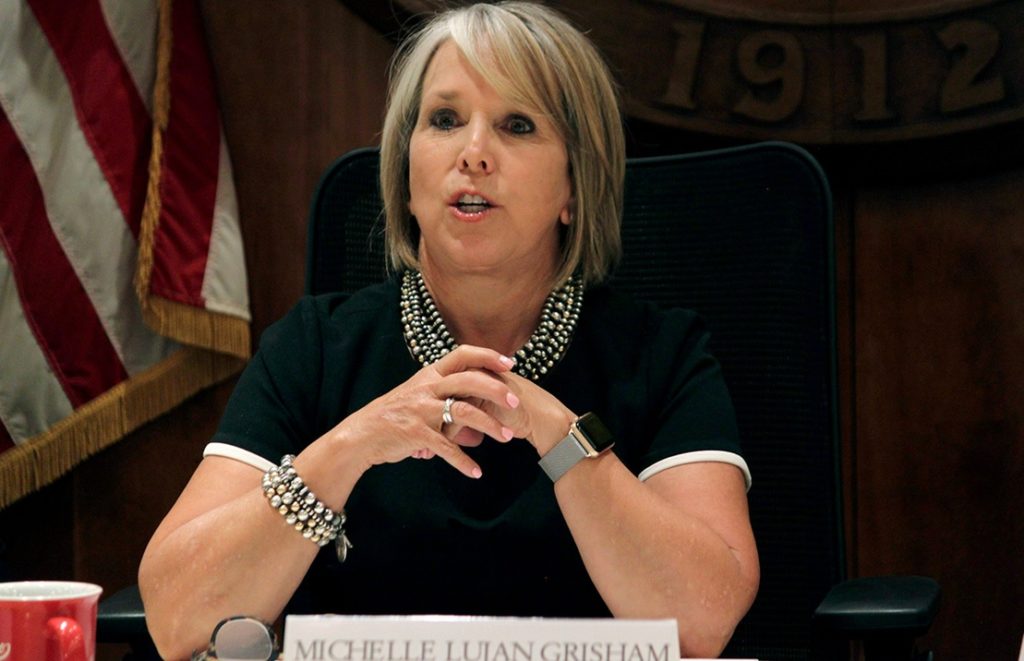
Carlsbad Current Argus (December 21, 2021) – New federal environmental standards for vehicle fuels were adopted by the U.S. Environmental Protection Agency and applauded by New Mexico Gov. Michelle Lujan Grisham as the state aims to enact its own similar requirements. But the move was criticized by New Mexican Republicans who argued tougher regulations on manufacturers of cars and trucks could translate to higher costs for motorists.
Albuquerque Journal (December 17, 2021) – State legislators concluded a volatile 12-day special session Friday by granting final approval for a new map for Senate districts and authorizing an emergency update to New Mexico’s medical malpractice law. The two proposals now head to Gov. Michelle Lujan Grisham, who has until Jan. 6 to take action on them.
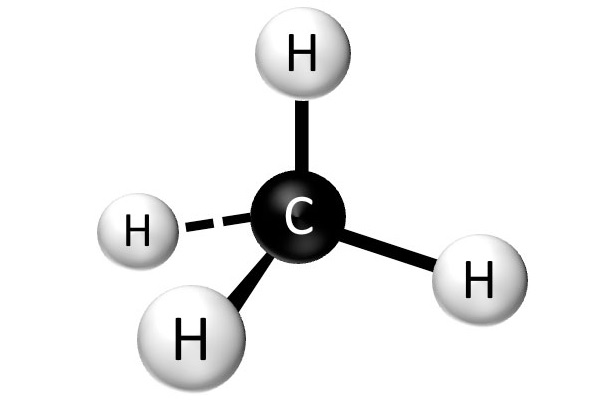
S&P Global (Dec. 17, 2021) – A proposal to impose a fee on methane emissions has thus far survived lawmakers’ wrangling over the Build Back Better Act, as Democrats on the US Senate Environment and Public Works Committee included it in draft text of their portion of the party’s $1.75 trillion economic and climate plan unveiled Dec. 16.
The Build Back Better Act, passed by the US House of Representatives last month, is central to President Joe Biden’s goal of cutting the nation’s greenhouse gas emissions in half by 2030 measured against 2005 levels and zeroing out economywide emissions by midcentury.
ABQ Journal (Dec. 15, 2021) — Retired Supreme Court Chief Justice Edward Chavez and retired Court of Appeals Chief Judge Roderick Kennedy “enthusiastically” accepted the invitation to co-chair a redistricting task force “to bring justice, fairness and transparency” to the contentious decennial process.
And yet, the far-flung congressional map before Gov. Michelle Lujan Grisham would carve the oil patch into three districts; split the population centers of Hobbs, Roswell and Albuquerque; and dilute the rural vote and shift even more political power to central New Mexico.
In addition, it wasn’t even among the maps endorsed by the Citizen Redistricting Committee, created to follow through on the task force’s work.
IPANM (Dec. 7, 2021) – The family of Chuck Moran has created a new scholarship fund in memory of Chuck, who passed away unexpectedly in 2020. Chuck’s family is working with The Rocky Mountain Mineral Law Foundation to establish the fund as a lasting legacy with an endowed scholarship in perpetuity that will have a meaningful impact towards the cost of a student’s legal education each year. The annual scholarship will go to a student at a Foundation constituent law school, with a preference for a student interested in pursuing a legal or professional career in oil and gas or energy law or an applicant from Chuck’s alma mater, The University of Tulsa College of Law.