A New Day at IPANM


information & issues

Welcome to IPANM’s Information & Issues webpage!

IPANM is not afraid to take strong stances on many current issues threatening our industry. We have to! Seemingly minor changes to regulations or rules can have a major impact on the financial solvency of our small oil & gas producers. While we will never compromise on our duties to protect human health, fresh water and the environment in our daily activities, we will fight unnecessary government overreach when new regulatory proposals are not based on sound science and do little to protect the environment.

Below, we’ve identified serious issues facing our producers. Please click on the corresponding button to learn more about each issue and IPANM’s stance on the issue. (Note: Some of this content may be restricted for members only. To access this exclusive content, please join our association!)

RECENT NEWS: All Issues


Albuquerque Journal (October 2, 2021) - The New Mexico Environmental Improvement Board on Friday concluded a two-week hearing on proposed
The Washington Times (September 30, 2021) - The 24th Navajo Nation Council has come out against President Biden’s $3.5 trillion
Rueters (September 30, 2021) - The United States will hold an auction for drilling rights in the Gulf of Mexico
Representative Yvette Herrell (September 20, 2021) - Over the last several weeks, my Democratic colleagues in Congress have begun drafting
Santa Fe New Mexican (Sept. 15, 2021) - The New Mexico Environment Department is returning to an original, tougher provision
Santa Fe New Mexican (July 10, 2021) - In a small town in the middle of the Gila Wilderness, a
SANTA FE, NM (KRWG) July 10, 2021– A newly approved rule change will better protect an additional 10 plant species
While many extremists seem transfixed banning fossil fuels, they overlook the obvious. The increased use of natural gas is the
Hobbs News-Sun (May 18, 2021) - Lea County officials want New Mexico, the nation’s third highest oil production state, to
Power The Future (May 11, 2021) - Americans are starting to feel the effects of the attack on the Colonial Pipeline,

Albuquerque Journal (October 2, 2021) – The New Mexico Environmental Improvement Board on Friday concluded a two-week hearing on proposed regulations to address oil and natural gas pollution that contributes to high ozone levels.  Ozone can cause smog and respiratory issues.  The air pollution has worsened across New Mexico in recent years, including in the state’s oil basins.

Two-Week Oil & Gas Ozone Rule Hearing Wraps Up

The Washington Times (September 30, 2021) – The 24th Navajo Nation Council has come out against President Biden’s $3.5 trillion social welfare and climate change bill because it bans new drilling outside Chaco Culture National Historical Park in northwestern New Mexico.  The Navajos said the ban is a “real threat” to the livelihoods of tribal members.

Navajo Nation Opposes New Mexico Drilling Ban Tucked Into Biden’s $3.5 Trillion Bill

Rueters (September 30, 2021) – The United States will hold an auction for drilling rights in the Gulf of Mexico on Nov. 17 to comply with a court order to resume oil and gas lease sales, the Biden administration said on Thursday.

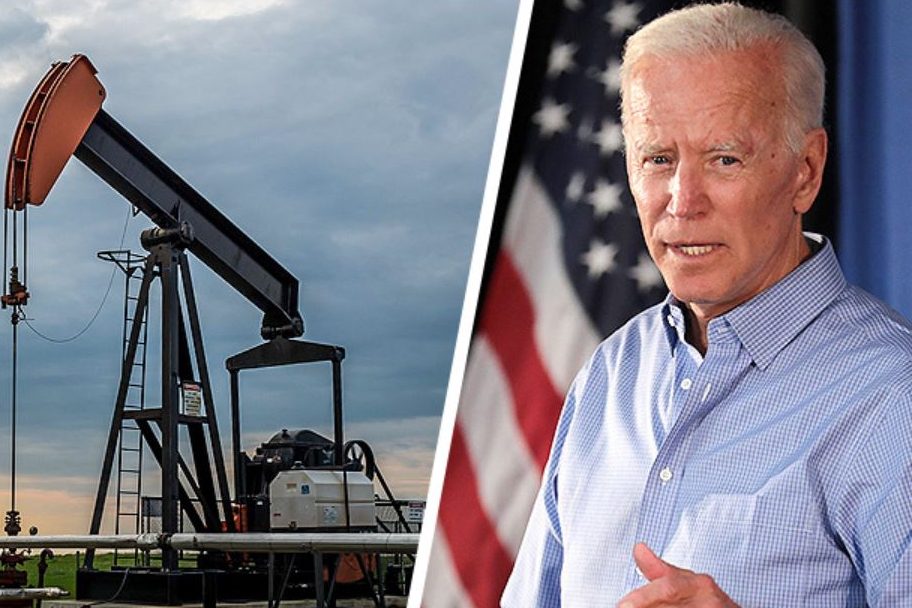
The auction of some 80 million acres offshore will be the first the Interior Department has held under President Joe Biden, who campaigned on a promise to end new federal oil and gas leasing as part of a climate change agenda.

The last such sale in the Gulf of Mexico was in November of 2020.

See Full Article


Representative Yvette Herrell (September 20, 2021) – Over the last several weeks, my Democratic colleagues in Congress have begun drafting their $3.5 trillion spending spree that will inflict more crippling inflation and debt upon the American people. Thus far, the budget contains too many horrible proposals to list. Of particular importance to Southern New Mexico, the bill will nickel and dime the oil and gas industry, our districts’ largest job creator, off of federal lands and out of most of New Mexico.

Democrat Oil & Gas Tax Policies Harm American Families

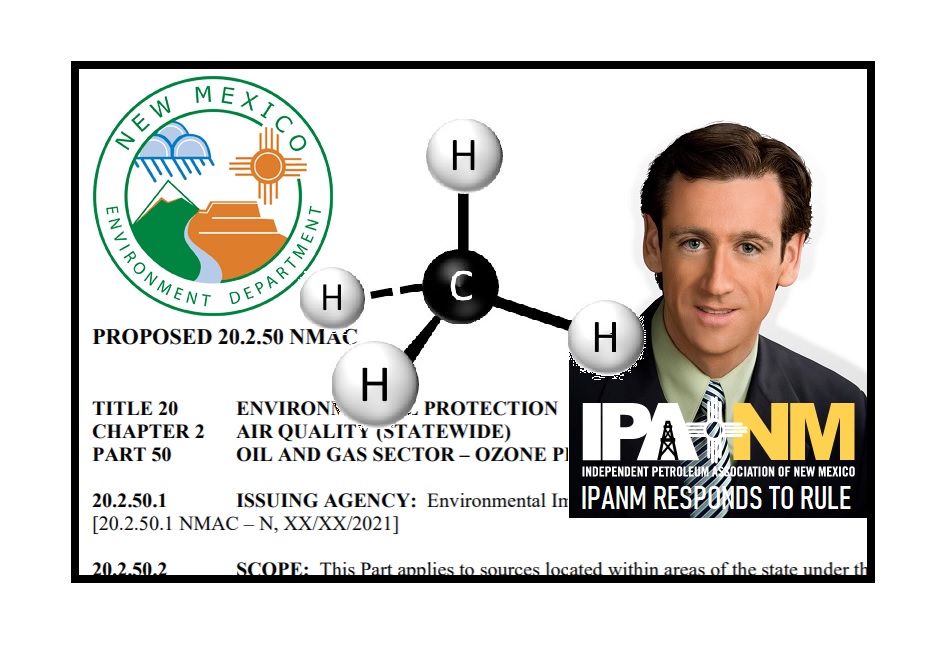
Santa Fe New Mexican (Sept. 15, 2021) – The New Mexico Environment Department is returning to an original, tougher provision for a proposed air pollution rule that calls for the fossil fuel industry to inspect the lowest-emitting wells yearly.

The agency had agreed with the industry’s request to allow once-in-a-lifetime inspection of wells that emit less than 2 tons of pollutants per year, spurring an outcry from environmentalists who argued such infrequent checks would overlook wells increasing their toxic emissions over time.

The code is now reverting to a tougher version calling for crews to inspect these wells yearly with equipment that gauges the pollution.

An industry group that had pressed for a more relaxed inspection rule on marginal wells expressed its displeasure in an email.
“Smaller operators continue to be disproportionately targeted by this ever-increasing, regulatory-intensive methane rule,” wrote Jim Winchester, executive director of the Independent Petroleum Association of New Mexico. The group is disappointed both with the lack of notice of this and many other changes going on behind closed doors in the 11th hour leading up to this hearing, as well as the position reversal itself.”

NMED Creates 11th Hour Rule Change; IPANM Responds


Santa Fe New Mexican (July 10, 2021) – In a small town in the middle of the Gila Wilderness, a class of rambunctious 4- and 5-year-old pre-K students released 32 healthy butterflies just before the end of the school year. It was the culmination of several weeks of observation and learning about the butterfly life cycle.  It was also a lesson in patience, breathtaking growth, and transformation — fitting both for the year we had and for the transition to kindergarten the little ones were experiencing.

Oil & Gas Revenue Fuels Education

SANTA FE, NM (KRWG) July 10, 2021– A newly approved rule change will better protect an additional 10 plant species in danger of extinction in New Mexico. On July 9, Energy, Minerals and Natural Resources Department (EMNRD) Cabinet Secretary Sarah Cottrell Propst approved an amendment to the New Mexico Endangered Plant Species List and Collection Permits rule (19.21.2 NMAC), which adds 10 plant species to the state endangered plant list. The rule prohibits protected endangered plant species from being collected, removed, transported, exported, processed for sale, or offered for sale unless issued a valid permit for specific scientific purposes by the state forester.

This effort follows years of research by the Forestry Division’s Endangered Plant Program and other rare plant scientists across the state. The additions took nearly two years to complete and involved public comment and input from numerous stakeholders.

Ten Rare Plants Added to State Endangered Plant Species List


While many extremists seem transfixed banning fossil fuels, they overlook the obvious. The increased use of natural gas is the reason why emissions have fallen across the United States. Natural Gas is a great low carbon source of energy that is easily utilized and affordable for all. According to the EPA, carbon emissions have fallen to their lowest levels since 1983 as coal-fired power plants are being replaced by gas-fired generators and renewable electric sources.

✔️ Electric power 36% usage rate: Used to generate electricity produced by the electric power sector.
✔️ Industrial 33% usage rate: Used as fuel for process heating, heat for power systems, heat to produce chemicals, fertilizer, and hydrogen.
✔️ Residential 16% usage rate: Used to heat buildings, water, cook, and dry clothes.
✔️ Commercial 11% usage rate: Used to heat buildings, water, operate refrigeration, cooling equipment, cook, dry clothes, outdoor lighting.
✔️ Transportation 3% usage rate: Used as a fuel to operate compressors that move natural gas through pipelines and as a vehicle fuel in the form of compressed natural gas and liquefied natural gas.

Hobbs News-Sun (May 18, 2021) – Lea County officials want New Mexico, the nation’s third highest oil production state, to join other states fighting President Joe Biden’s moratorium on federal oil leases.

Lea County is the nation’s No. 1 oil producer among counties, with more than 50 percent of oil production coming from federal lands.

At a recent meeting of the board, county commission chairwoman Rebecca Long said, “All of the western states are very up-in-arms about this because it’s very harmful to their counties and it’s very harmful to their states.”

A total of 14 U.S. states, not including New Mexico, filed lawsuits in March against the administration, challenging Biden’s moratorium on new oil and gas leasing on federal lands and waters, according to the news agency Reuters.

“I think we’re all in agreement on this,” Long told her fellow commissioners after reading a proposed resolution urging New Mexico’s involvement in the lawsuits.

“Oil and gas is important. Even Gov. (Michelle Lujan) Grisham is pushing back against the Biden administration on this moratorium,” Long concluded before the unanimous vote to approve the resolution.

Lea County Urges N.M. to Fight Oil Lease Ban


Power The Future (May 11, 2021) – Americans are starting to feel the effects of the attack on the Colonial Pipeline, the country’s largest fuel pipeline. It was forced to shut down late Friday following a cyberattack by ransomware. The 5,500 mile pipeline carries refined gasoline and jet fuel from Texas up the East Coast to New York, and is responsible for transporting 45 percent of the East Coast’s fuel supplies.

“The cyberattack on the Colonial Pipeline should be a wake-up call for the Biden Administration which, up until now, has treated the fossil fuel industry with feckless disdain,” said Daniel Turner, Executive Director of Power the Future. “They have refused to even acknowledge that pipelines are critical infrastructure, as demonstrated by the Administration canceling the Keystone XL project on day one. This not only eliminated 11,000 jobs and put those workers and their families in unnecessary financial distress, but it also weakened America’s energy future thus jeopardizing our economy and national security.”

Pipeline Cyberattack: A Preview of Gas Prices Without Infrastructure